How Fixing Your Sewer Line Can Save Your Denver Basement from Flooding
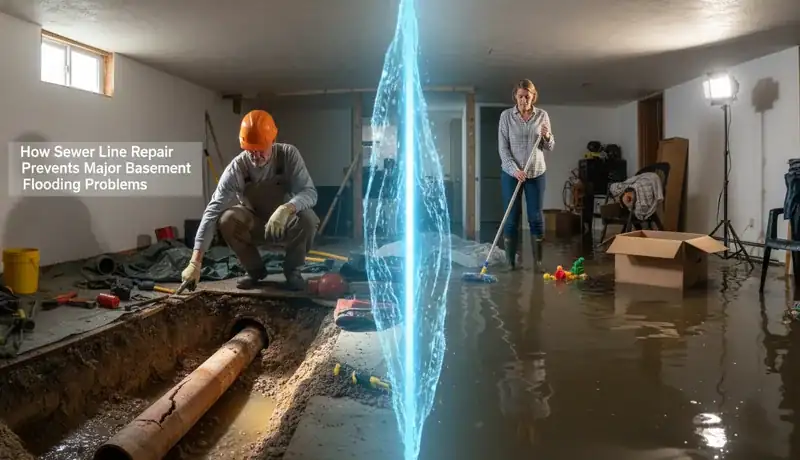
A hidden pipe running under your yard might not be the first thing you think about, but your main sewer line is one of the most important parts of your home’s plumbing. For homeowners here in Denver, 80214, a problem with this line can quickly turn into a major disaster. A small crack or a blockage from tree roots can lead to a sewage backup, and the first place it often shows up is in your basement. Understanding this connection is key to protecting your property.
A flooded basement is more than just a mess; it's a costly and stressful nightmare. Water damage can ruin floors, walls, furniture, and precious keepsakes. Worse yet, sewage water contains harmful bacteria that pose a health risk to your family. That’s why being proactive about your sewer line’s health isn’t just about plumbing—it’s about safeguarding your home, your finances, and your peace of mind. A little prevention goes a long way in avoiding a huge problem.
What Causes Sewer Lines to Back Up?
Sewer line problems don't just happen overnight. They usually develop over time from a few common culprits. In many older Denver neighborhoods, tree roots are a major issue. Tiny roots seek out water sources and can sneak into small cracks in a pipe, growing larger until they create a massive blockage. Another frequent cause is buildup inside the pipes. Things like grease, wet wipes, and other items that shouldn't be flushed can accumulate and form stubborn clogs. Over time, pipes can also simply wear out. Older pipes made of clay or cast iron can crack, collapse, or become misaligned due to shifting soil. When any of these things happen, wastewater has nowhere to go but back into your home, and the lowest point is usually the basement floor drain.
Warning Signs Your Sewer Line Needs Attention
Your home often gives you clues that a sewer line issue is developing. Paying attention to these signs can help you catch a problem before it leads to a flood. Do you notice multiple drains in your house are slow at the same time? That’s a classic red flag. Listen for strange gurgling sounds coming from your toilets or drains, especially after flushing or running water. You might also smell unpleasant, sewer-like odors in your basement or yard. Another telltale sign is a patch of unusually green or soggy grass in your yard above where the sewer line runs. This could indicate a leak. If you experience any of these symptoms, it’s a clear signal that your main sewer line needs a professional inspection right away. Ignoring them is a gamble.
Why DIY Fixes Can Make Things Worse
When you have a drain clog, it’s tempting to try a quick fix with store-bought chemical drain cleaners or a rented snake. While these might work for a simple clog in one sink, they are not effective for a main sewer line blockage and can even cause more harm. Harsh chemicals can damage your pipes, and using a plumbing snake incorrectly can get it stuck or even break the pipe, turning a clog into a much more expensive repair. Dealing with a main sewer line also involves potential exposure to raw sewage, which is a serious health hazard. For these reasons, it’s crucial to call for professional help. An expert has the right tools, like video inspection cameras, to diagnose the exact problem and location, ensuring a safe and effective solution.
Your Local Denver Experts in Sewer Line Solutions
At Expert Plumbing Pro, we understand the unique challenges that homes in Denver, 80214 face, from aging pipes to invasive tree roots. We're not just plumbers; we're your neighbors dedicated to protecting your home. When you're facing a potential sewer backup, you need fast and reliable help. Our team provides expert emergency plumbing services in Denver, 80214, using advanced technology to quickly find and fix the source of the problem. We believe in clear communication and honest work, ensuring you understand the situation and the best course of action. We’re here to provide peace of mind and prevent a plumbing scare from becoming a basement catastrophe.
Frequently Asked Questions
How often should I have my sewer line inspected?
For most homes, a professional video camera inspection every two to three years is a great preventative measure. However, if you live in an older Denver home with mature trees on the property, you might consider an annual inspection. This allows a plumber to spot potential issues like root intrusion or cracks before they cause a serious backup. Regular inspections are a small investment that can save you thousands in flood damage repairs.
Is a sewer backup covered by homeowner's insurance?
This is a critical question. Standard homeowner's insurance policies often do not cover damage from sewer backups. In most cases, you need to purchase a specific add-on or rider for this type of coverage. It's always best to review your policy or speak with your insurance agent to understand what is and isn't covered. Don't wait until after a flood to find out you're not protected from this common and costly event.
Protect Your Home and Peace of Mind
Your sewer line works silently behind the scenes, but it requires attention to prevent a messy and expensive basement flood. By recognizing the warning signs and understanding the causes of backups, you can take proactive steps to protect your property. Don't wait for gurgling drains to turn into a full-blown emergency. If you live in Denver, 80214, and have any concerns about your plumbing, the team at Expert Plumbing Pro is ready to help. Contact us for a professional inspection or immediate assistance.